
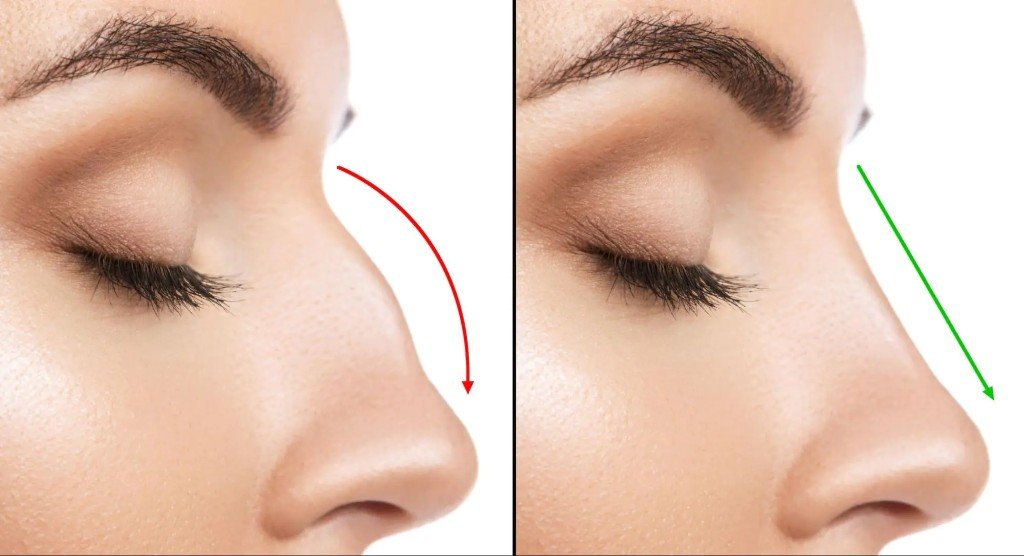
Rhinoplasty: Clinical Management of Nasal Architecture and Airway Function The surgical reconstruction of the nose, clinically identified as Rhinoplasty, represents one of the most complex interventions in facial plastic surgery. This procedure addresses the intricate relationshi
Rhinoplasty: Clinical Management of Nasal Architecture and Airway Function
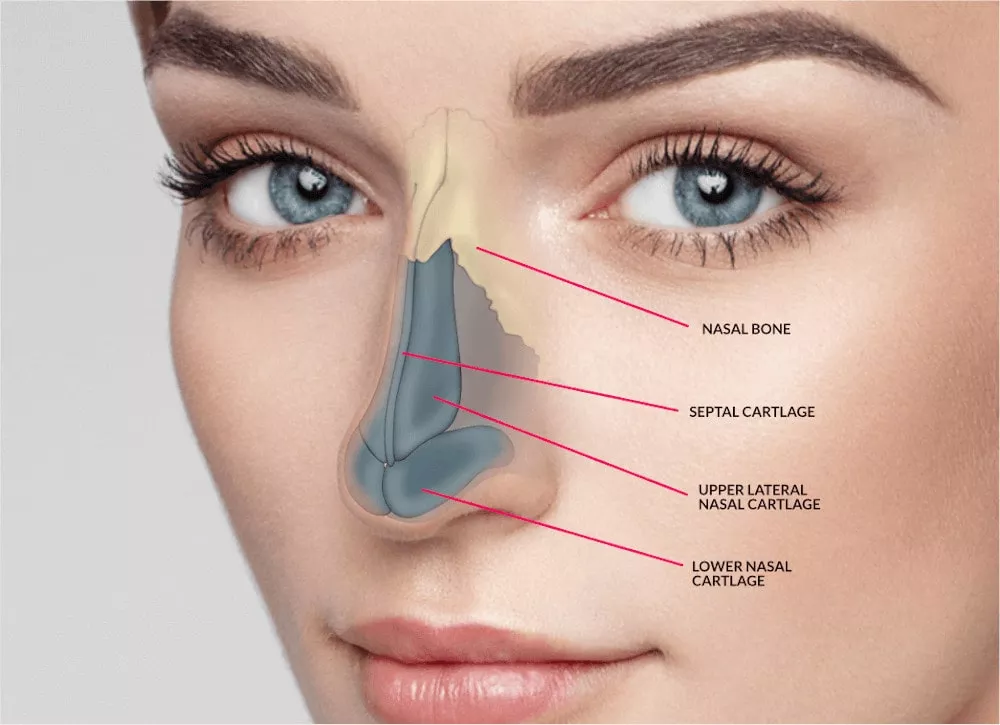
The surgical reconstruction of the nose, clinically identified as Rhinoplasty, represents one of the most complex interventions in facial plastic surgery. This procedure addresses the intricate relationship between the nasal bone structure, the cartilaginous framework, and the overlying soft tissue envelope. The primary objective is to achieve a harmonious nasal profile that complements the patient’s facial proportions while ensuring the preservation or enhancement of the respiratory function. By meticulously managing the structural components of the nose, surgeons can correct congenital deformities, post-traumatic irregularities, or chronological changes, delivering a stable and functionally sound outcome.
Rhinoplasty procedures integrate advanced osteotomy techniques with a sophisticated understanding of nasal chondro-skeletal anatomy and respiratory dynamics. By strategically modulating the osteo-cartilaginous framework and optimizing the internal valve integrity, these interventions restore facial symmetry and refine the nasal silhouette. Each clinical strategy is meticulously tailored to maintain physiological airway function while achieving a resilient, symmetrical, and anatomically harmonious aesthetic transformation
Structural vs. Preservation Rhinoplasty Dynamics
Contemporary rhinoplasty has evolved into two primary methodologies: Structural Rhinoplasty and Preservation Rhinoplasty. Structural techniques focus on re-engineering the nasal framework using cartilaginous grafts (such as spreader or strut grafts) to provide long-term stability and prevent postoperative collapse. Conversely, Preservation Rhinoplasty emphasizes the maintenance of the natural nasal bridge (the “dorsum”) by modulating the underlying bone and cartilage from within. The selection of the technique is predicated on the patient’s unique anatomy and the degree of correction required to achieve a resilient and natural-looking silhouette.
Septoplasty and Internal Valve Optimization
A critical component of functional rhinoplasty is the management of the nasal septum and the internal nasal valve. Deviations of the septum can significantly impair airflow and contribute to chronic respiratory distress. Through Septoplasty, surgeons straighten the osteo-cartilaginous partition, while simultaneously utilizing “spreader grafts” to widen the internal valve angle. This dual approach ensures that the aesthetic refinement of the nasal bridge does not compromise the physiological airway, providing a result that is as functional as it is visually pleasing.
Tip Plasty and Alar Cartilage Refinement
The refinement of the nasal tip, or Tip Plasty, requires a profound understanding of the lower lateral cartilages and their relationship to the nasal base. By utilizing precise suturing techniques and cartilaginous “tip grafts,” surgeons can modulate the projection, rotation, and definition of the nasal tip. Meticulous care is taken to maintain the structural integrity of the “alar rims” to prevent nostril collapse during inhalation. This stage of the procedure is essential for creating a refined, symmetrical tip that aligns with the new dorsal height and overall facial proportions.
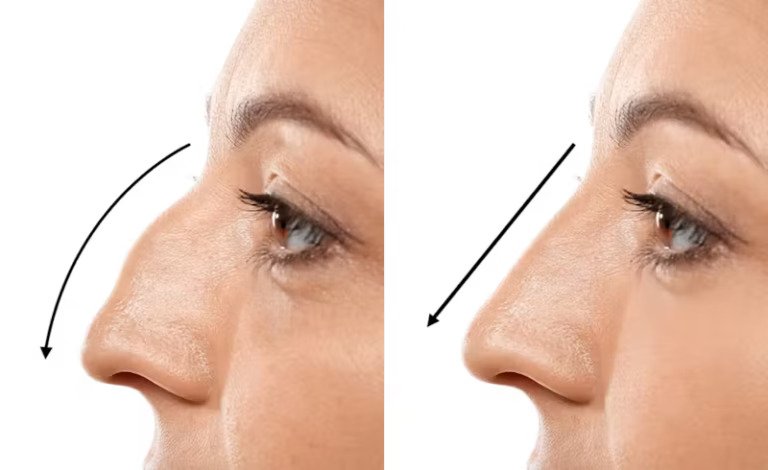
Osteotomy and Bony Framework Modification
To address a wide nasal bridge or a dorsal “hump,” precise Osteotomies (controlled bone cuts) are performed. Modern techniques often utilize Piezoelectric (Ultrasonic) technology, which allows for highly accurate bone shaping with minimal trauma to the surrounding soft tissues and blood vessels. This advanced methodology reduces postoperative edema and ecchymosis (bruising), facilitating a more rapid recovery phase. By strategically repositioning the nasal bones, clinicians can achieve a narrower, more refined bridge that flows seamlessly into the glabellar and forehead regions.
Histological Maturation and Long-Term Stability
The recovery phase following rhinoplasty is a dynamic process involving the maturation of the surgical scars and the stabilization of the relocated tissues. The use of specialized external and internal splints during the initial healing phase ensures that the new nasal framework is protected and maintained in its corrected coordinates. Continuous clinical monitoring focuses on the management of tissue adherence and the assessment of the nasal airway’s resilience.
The primary goal is the achievement of a result that adheres to the principles of anatomical permanence, ensuring that the patient’s new nasal profile remains stable and harmonious throughout their life.