
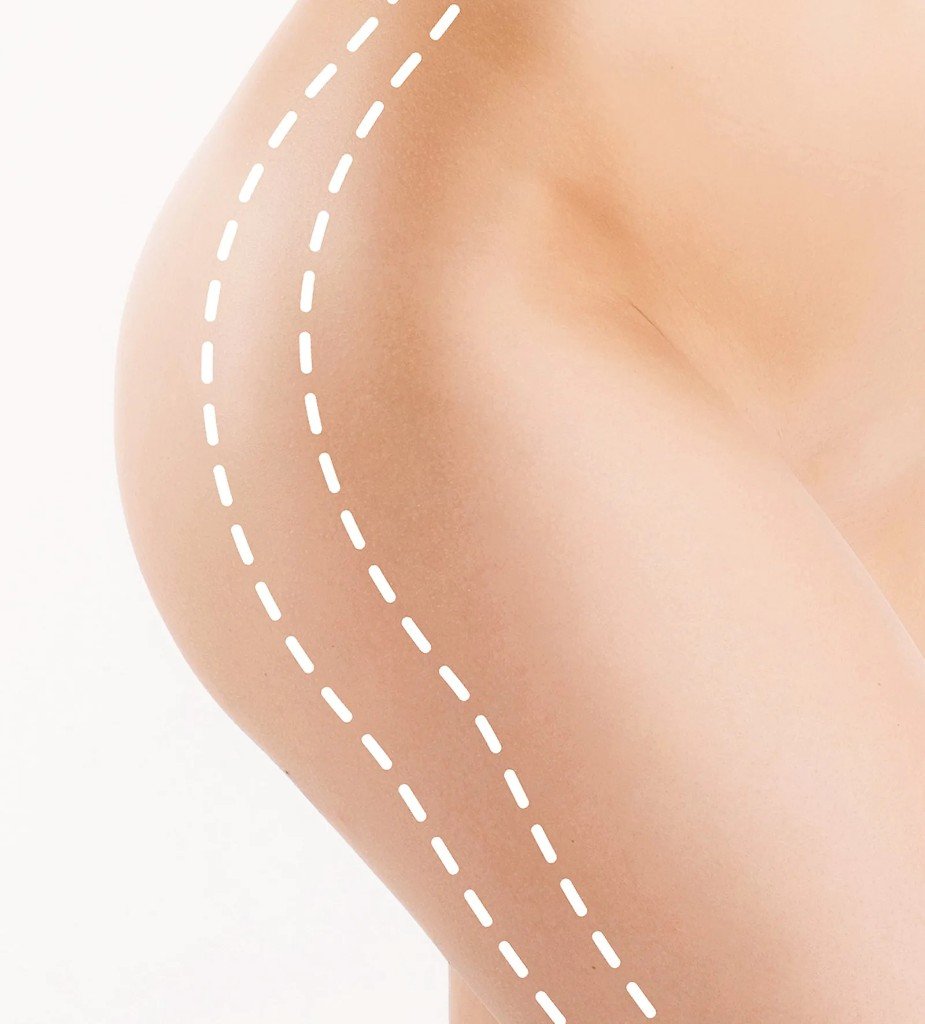
Volumetric gluteal enhancement with autologous fat transfer or implants, planned around pelvic projection, safety and lasting contour.
The surgical optimization of the posterior profile, clinically identified as Gluteoplasty, represents a comprehensive intervention designed to address volumetric deficiencies, structural ptosis, and anatomical disharmony of the gluteal region. This multidimensional procedure is indicated for patients seeking to enhance pelvic projection and restore the structural transition between the lumbar spine and the lower extremities. The primary objective is the strategic redistribution of volume—either through Brazilian Butt Lift (BBL) utilizing autologous fat or through the implementation of gluteal implants—to achieve a refined, stable, and anatomically balanced silhouette.
Gluteoplasty and Gluteal Contouring procedures integrate advanced lipo-structure methodologies with a sophisticated understanding of pelvic anatomy and adipose tissue viability. By strategically utilizing autologous fat transplantation or prosthetic implementation, these interventions restore volumetric projection and refine the gluteal profile. Each clinical strategy is meticulously tailored to ensure anatomical symmetry and structural stability while achieving a natural, resilient, and harmoniously contoured silhouette.
Advanced Adipose Tissue Rheology and Graft Viability
In contemporary gluteal contouring, the Brazilian Butt Lift (BBL) is not merely a fat transfer; it is a sophisticated exercise in tissue engineering. The technical success is predicated on the “graft take” rate, which is governed by the rheological properties of the harvested adipose cells. Utilizing low-pressure aspiration and closed-system centrifugation, clinicians ensure that the adipocytes remain viable and free from inflammatory debris. The infiltration process involves a multi-planar “fanning” technique, where fat is strategically layered within the subcutaneous space. By creating a high surface-area-to-volume ratio for the injected cells, surgeons facilitate rapid neovascularization—the process by which the body develops new blood vessels to nourish the graft—ensuring the permanence of the volumetric enhancement.
Prosthetic Biomechanics and Intramuscular Integration
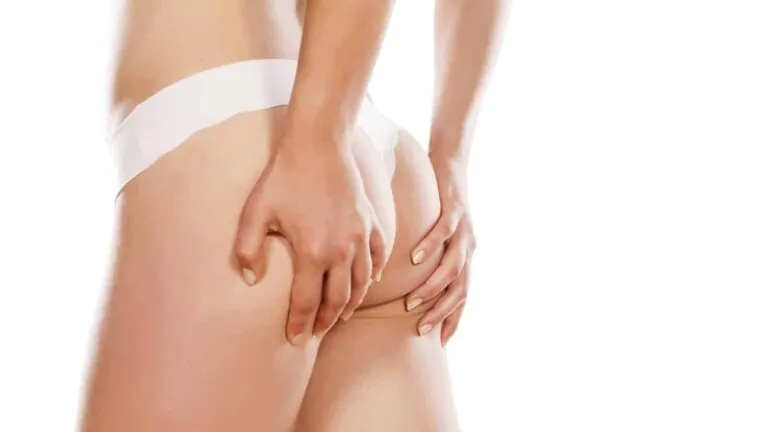
For patients with insufficient autologous donor sites, Gluteal Augmentation with Implants offers a predictable and durable alternative. Unlike the thoracic region, the gluteal area is a high-impact zone subject to intense mechanical forces during gait, sitting, and athletic activity. To mitigate the risk of implant migration or “stepping,” high-cohesive, semi-solid silicone prosthetics are utilized. These are strategically integrated into the intramuscular plane (within the fibers of the gluteus maximus) or the subfascial plane. The intramuscular approach provides a natural “soft tissue envelope” that camouflages the prosthetic, ensuring that the gluteal contour remains smooth and anatomically correct even during dynamic movement.
High-Definition Liposculpting of the Lumbo-Sacral Transition
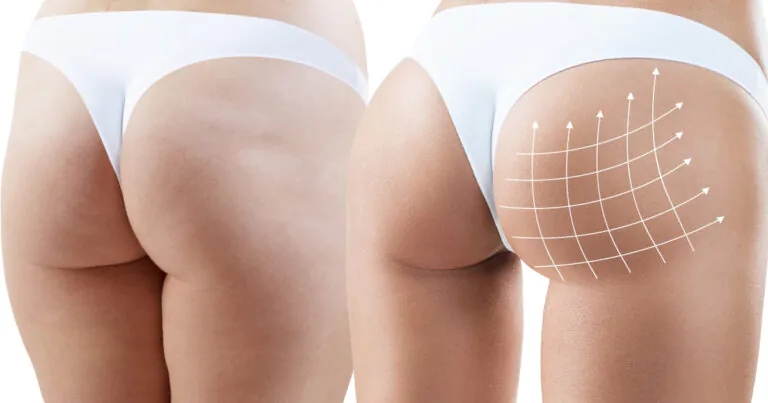
True gluteal aesthetics are defined by the surrounding anatomical “frame.” High-definition contouring focuses on the aggressive modulation of the lumbar region and the “sacral triangle.” By utilizing VASER (ultrasonic) or laser-assisted liposuction, surgeons can reduce the adipose thickness in the flanks and lower back, thereby increasing the projection angle of the gluteus. This focus on the “waist-to-hip ratio” and the refinement of the V-zone above the gluteal cleft is critical for creating the athletic and harmonious curves that define a successful gluteoplasty.
Vascular Safety and Ultrasound-Guided Precision
The safety profile of gluteal surgery has been revolutionized by a deeper understanding of pelvic vascularity. The management of the superior and inferior gluteal arteries is paramount. Current clinical standards mandate the avoidance of deep submuscular injections to prevent fat embolism. The integration of real-time ultrasound guidance during the grafting phase allows the surgeon to visualize the cannula’s position with absolute precision, ensuring that all adipose tissue is deposited strictly within the safe subcutaneous boundaries. This “safety-first” methodology minimizes vascular trauma and optimizes the histological integration of the graft.
Dermal Envelope Management and Suspension Techniques
In cases of massive weight loss or significant chronological aging, volumetric enhancement must be combined with dermal stabilization. Gluteal Ptosis Correction (Buttock Lift) involves the excisional removal of redundant skin from the upper gluteal or sub-gluteal folds. This “lifting” maneuver is often reinforced with fascial suspension sutures to provide a stable framework for the new volume. By tightening the integumentary envelope, surgeons can correct “sagging” and ensure that the newly added volume remains in an elevated, youthful position, preventing the “bottoming-out” effect over time.
Postoperative Bio-Stabilization and Long-Term Outcomes
The maturation phase of gluteal contouring requires a strict adherence to pressure-avoidance protocols. Patients are integrated into a recovery regimen that utilizes specialized “BBL pillows” and medical-grade compression garments designed to manage interstitial fluid dynamics without compromising the blood supply to the newly grafted cells. Continuous clinical monitoring ensures that the histological remodeling of the treated areas results in a refined and discreet clinical appearance. The primary goal is to bridge the gap between reconstructive precision and aesthetic aspiration, providing results that are both histologically sound and visually transformative.