
The evolution of aesthetic medicine has standardized the correction of anatomical disharmony through sophisticated surgical interventions. These procedures focus on the systematic modulation of subcutaneous adipose tissue and the restoration of integumentary integrity. By integra
The evolution of aesthetic medicine has standardized the correction of anatomical disharmony through sophisticated surgical interventions. These procedures focus on the systematic modulation of subcutaneous adipose tissue and the restoration of integumentary integrity. By integrating advanced lipo-sculpting methodologies with reconstructive principles, clinicians aim to optimize the somatic silhouette while preserving physiological function. Each intervention is meticulously calibrated to the patient’s unique morphological requirements, ensuring a harmonious transition between various anatomical planes and achieving structural stabilization across the thoracic and abdominal regions.
Contemporary body contouring procedures integrate advanced surgical precision with a profound understanding of anatomical equilibrium. By modulating subcutaneous adipose layers and optimizing dermal tension, these interventions restore structural symmetry and refine the somatic silhouette. Each clinical strategy is meticulously tailored to maintain physiological integrity while achieving a harmonious and sustainable aesthetic transformation.

The management of dermal laxity and volumetric deficiency requires a profound understanding of tissue elasticity and muscular dynamics. Surgical strategies are designed to address the sequelae of significant weight fluctuations or chronological aging, utilizing precise excisional techniques to eliminate redundant soft tissue. This clinical approach not only enhances the external contour but also reinforces the underlying fascial structures for long-term durability. Through the strategic application of vacuum-assisted lipectomy and parenchymal reshaping, practitioners can achieve significant improvements in bodily proportions. The objective remains the achievement of a refined profile that respects the natural vascularity and neurosensory pathways of the treated areas. Every surgical plan prioritizes biomechanical balance and aesthetic equilibrium.
-
Morphological Profile Optimization
-
Subcutaneous Adipose Management
-
Dermal Tensioning and Suspension
-
Volumetric Symmetry Restoration
A comprehensive clinical evaluation is paramount before initiating any surgical pathway. This ensures that the selected technique aligns with the patient’s metabolic status and tissue characteristics, minimizing post-operative morbidity and facilitating accelerated wound healing protocols.
5 Things You Didn’t Know About Medical
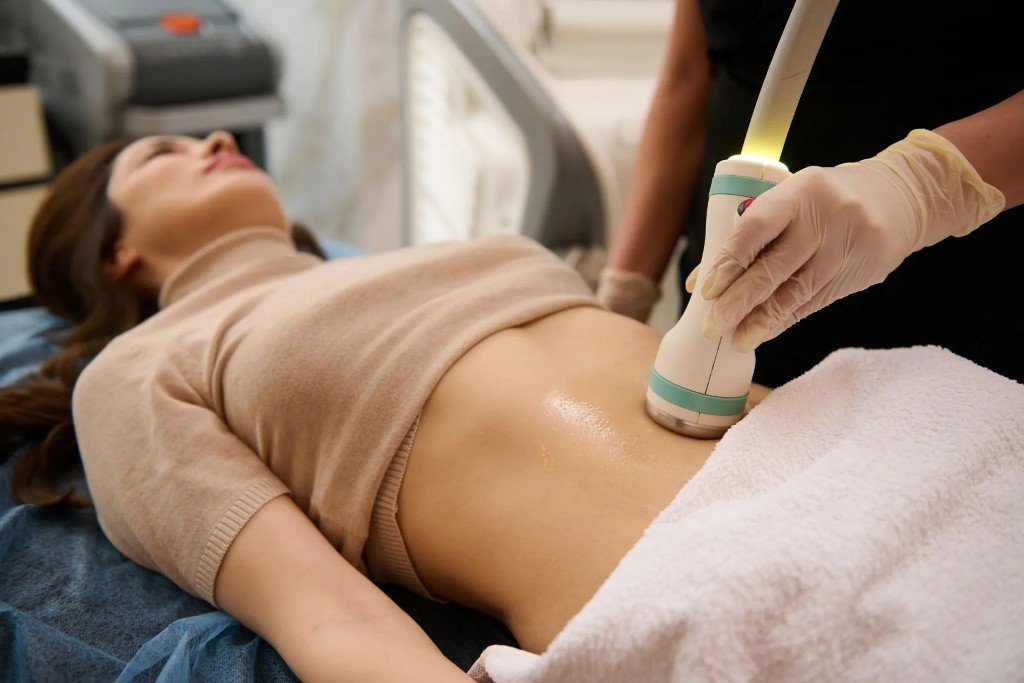
Clinical success in body contouring is predicated on the precise regulation of the extracellular matrix and the strategic placement of surgical incisions within natural anatomical folds. Current research emphasizes the importance of maintaining subdermal vascular plexus integrity to prevent ischemic complications during tissue redraping. Furthermore, the integration of energy-based devices, such as ultrasonic or laser-assisted systems, has refined the ability to achieve high-definition results with reduced trauma to surrounding connective tissues. The mastery of these technologies allows for the simultaneous aspiration of deep fat layers and the induction of thermal collagen contraction. It is essential to recognize that postoperative stabilization relies heavily on specialized compression therapy to manage interstitial fluid dynamics and ensure optimal tissue adherence.
The synthesis of regenerative biotherapy with excisional surgery represents a significant advancement in the field. By utilizing autologous fat transplantation, surgeons can address localized volume deficits while simultaneously refining the donor site contour. This dual-purpose approach enhances the overall aesthetic synergy and provides a more holistic restoration of the body’s natural curves, adhering to the principles of biological compatibility and structural permanence.
Clinical Insights and Patient Safety Protocols
The efficacy of aesthetic interventions is intrinsically linked to rigorous perioperative management and adherence to evidence-based safety standards. Every procedure involves a detailed analysis of the patient’s coagulative profile and nutritional status to mitigate risks associated with prolonged anesthesia and surgical stress.
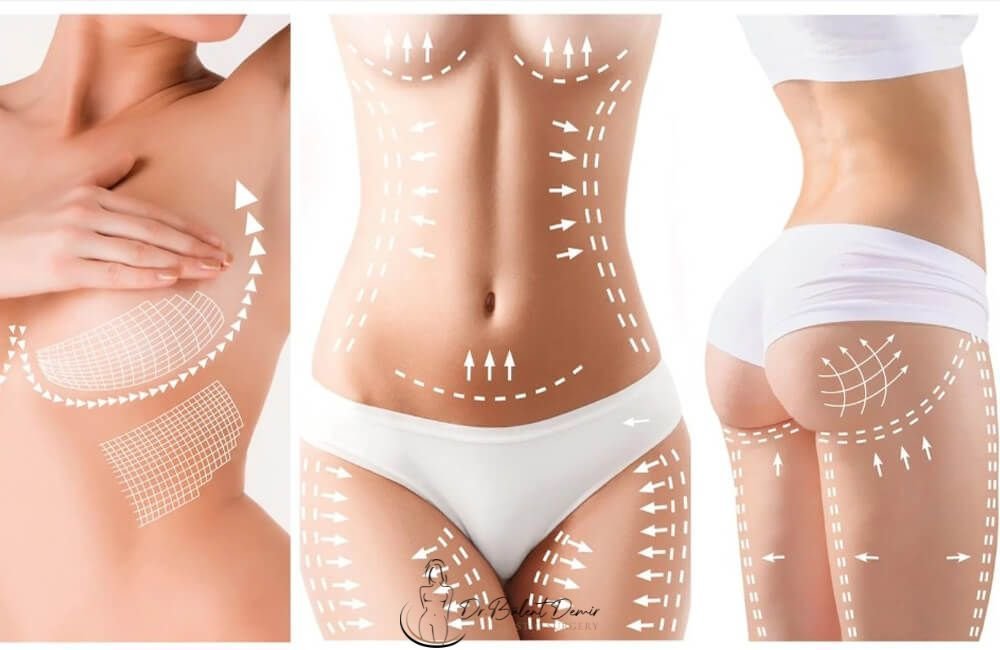
Technological advancements in hemostasis and minimally invasive access have revolutionized the recovery phase, allowing for a more rapid return to daily physiological activities. The primary goal of contemporary aesthetic body procedures is to bridge the gap between reconstructive necessity and aesthetic aspiration, providing patients with outcomes that are both histologically sound and visually refined. Continuous clinical monitoring and personalized rehabilitation protocols remain the cornerstone of successful long-term aesthetic outcomes.