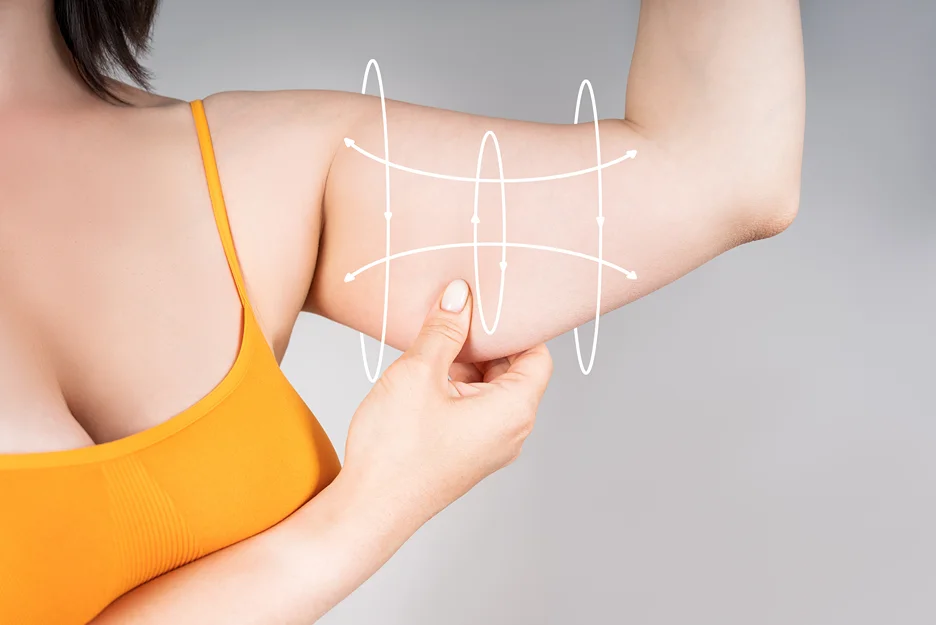
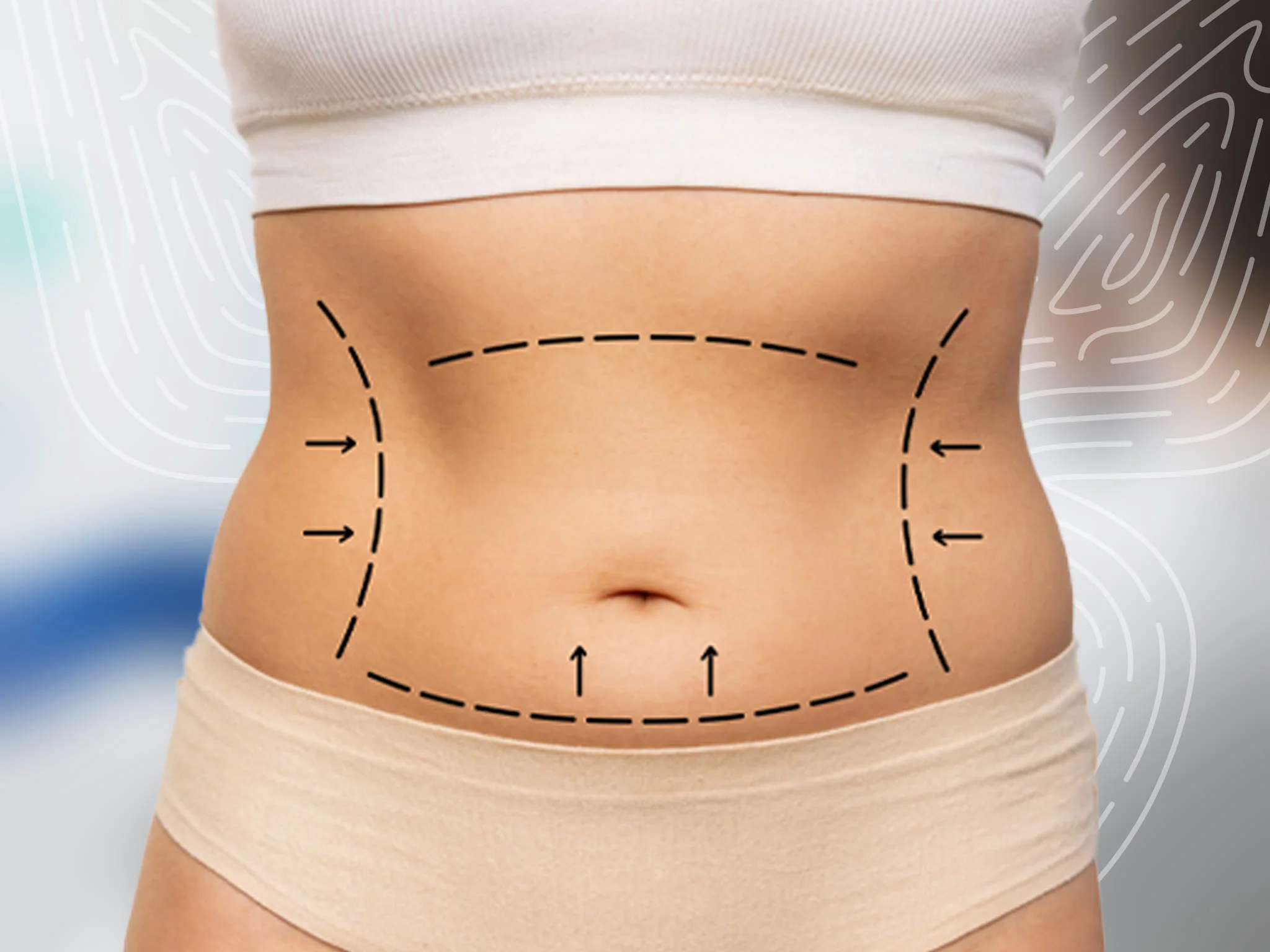
The surgical extraction of localized adipose tissue, clinically identified as Liposuction, represents a specialized intervention aimed at refining the bodily contour by addressing fat deposits resistant to conventional metabolic regulation. This procedure is indicated for patient
The surgical extraction of localized adipose tissue, clinically identified as Liposuction, represents a specialized intervention aimed at refining the bodily contour by addressing fat deposits resistant to conventional metabolic regulation. This procedure is indicated for patients seeking to optimize their anatomical proportions through the systematic removal of subcutaneous fat from specific donor sites such as the abdomen, flanks, thighs, and submental regions. The primary objective is the strategic utilization of specialized cannulas to aspirate adipose cells while preserving the integrity of the overlying dermal envelope and underlying musculoskeletal structures. By meticulously managing the volumetric distribution of fat, surgeons can achieve a significant improvement in body definition and structural balance.
Liposuction procedures integrate advanced suction-assisted technologies with a sophisticated understanding of adipose tissue morphology and body contouring dynamics. By strategically modulating localized fat deposits and optimizing the subcutaneous environment, these interventions restore anatomical symmetry and refine the somatic silhouette. Each clinical strategy is meticulously tailored to ensure dermal adherence while achieving a high-definition, resilient, and anatomically harmonious aesthetic transformation.
The technical execution of Liposuction is predicated on a thorough preoperative assessment of skin elasticity and regional fat distribution. Modern techniques, including Tumescent Liposuction, utilize a specialized saline solution containing local anesthetics and vasoconstrictors to minimize intraoperative trauma and blood loss. Furthermore, the integration of energy-based systems—such as VASER (Ultrasonic-Assisted) or Laser-Assisted Lipolysis—has refined the ability to emulsify fat cells before extraction, facilitating more precise contouring and enhancing post-operative skin contraction.
-
Strategic Adipose Modulation
-
Subcutaneous Volume Reduction
-
Dermal Contraction and Adherence
-
Anatomical Contour Refinement
A comprehensive clinical consultation is paramount to ensure the patient understands that liposuction is a contouring procedure rather than a weight-loss intervention. This distinction ensures that clinical expectations align with the physiological goals of achieving a more athletic or harmonious silhouette.
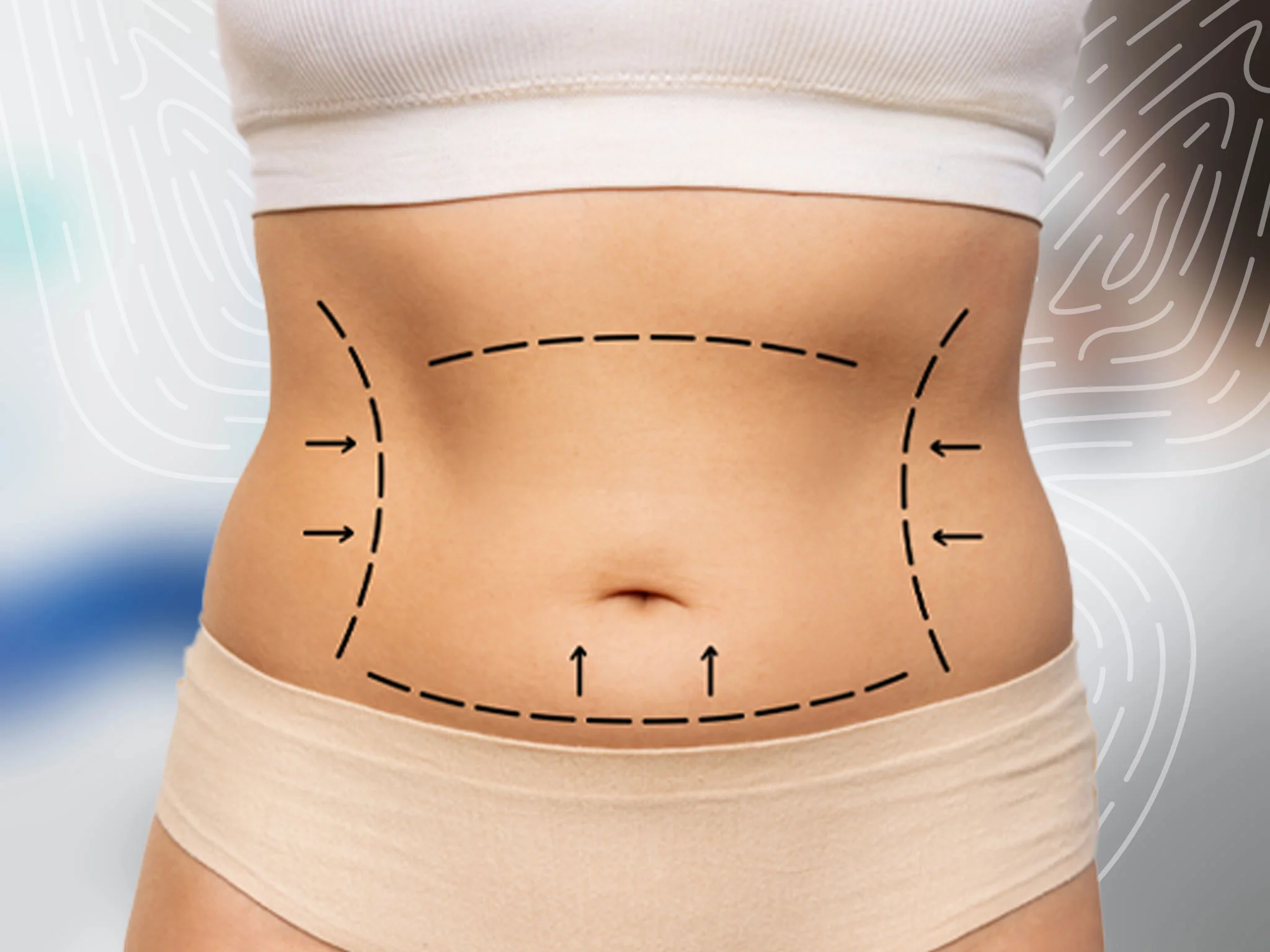
5 Critical Aspects of Advanced Liposculpting
Clinical success in liposuction depends on the precise regulation of the “deep” and “superficial” fat layers to prevent surface irregularities or contour deformities. Current surgical research emphasizes the importance of preserving the subdermal vascular plexus and the lymphatic drainage system to ensure optimal healing and minimize the risk of prolonged edema. Additionally, the mastery of High-Definition (HD) Liposculpting allows surgeons to highlight underlying muscular structures, such as the rectus abdominis or deltoid muscles, by selectively thinning the adipose coverage in specific transition zones. It is also vital to coordinate the recovery phase through specialized compression garments that manage interstitial fluid dynamics and ensure the treated areas adhere smoothly to the new underlying framework.
The synthesis of liposuction with autologous fat transplantation—known as Lipofilling—represents a modern advancement in total body transformation. By recycling the harvested adipose tissue, surgeons can address volume deficits in other regions, such as the breasts or gluteal area (BBL), providing a more fluid and holistic restoration of the body’s natural curves. This strategy adheres to the principles of biological synergy and structural permanence.