
Autologous Fat Transfer: Clinical Perspectives on Regenerative Volumization The clinical utilization of autologous adipose tissue, identified as Fat Transfer or Lipofilling, represents a revolutionary paradigm in both reconstructive and aesthetic surgery. This procedure utilizes
Autologous Fat Transfer: Clinical Perspectives on Regenerative Volumization
The clinical utilization of autologous adipose tissue, identified as Fat Transfer or Lipofilling, represents a revolutionary paradigm in both reconstructive and aesthetic surgery. This procedure utilizes the patient’s own biological material as a dynamic filler to address volumetric depletion, contour irregularities, and tissue atrophy. Beyond simple volumization, fat transfer acts as a regenerative therapy, as adipose tissue is a rich source of Adipose-Derived Stem Cells (ADSCs) and essential cytokines. The primary objective is the systematic harvesting, processing, and multi-planar re-injection of fat to restore anatomical harmony while improving the quality of the overlying skin matrix.
Autologous Fat Transfer procedures integrate advanced lipo-structure methodologies with a profound understanding of adipose tissue rheology and cellular viability. By strategically harvesting viable adipocytes and growth factors from donor sites and re-introducing them into deficient anatomical planes, these interventions achieve permanent volumetric restoration and biological rejuvenation. Each clinical strategy is meticulously tailored to optimize graft survival and ensure histological integration, delivering a resilient, natural, and harmoniously balanced aesthetic transformation
Harvesting and Adipose Tissue Rheology
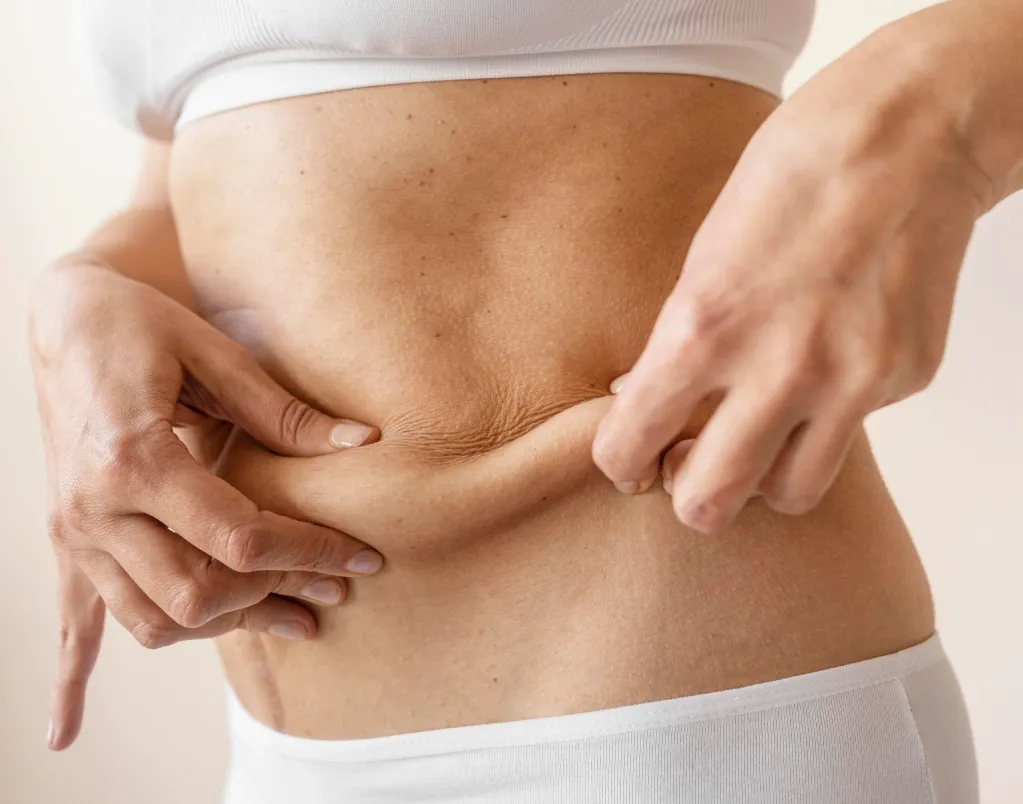
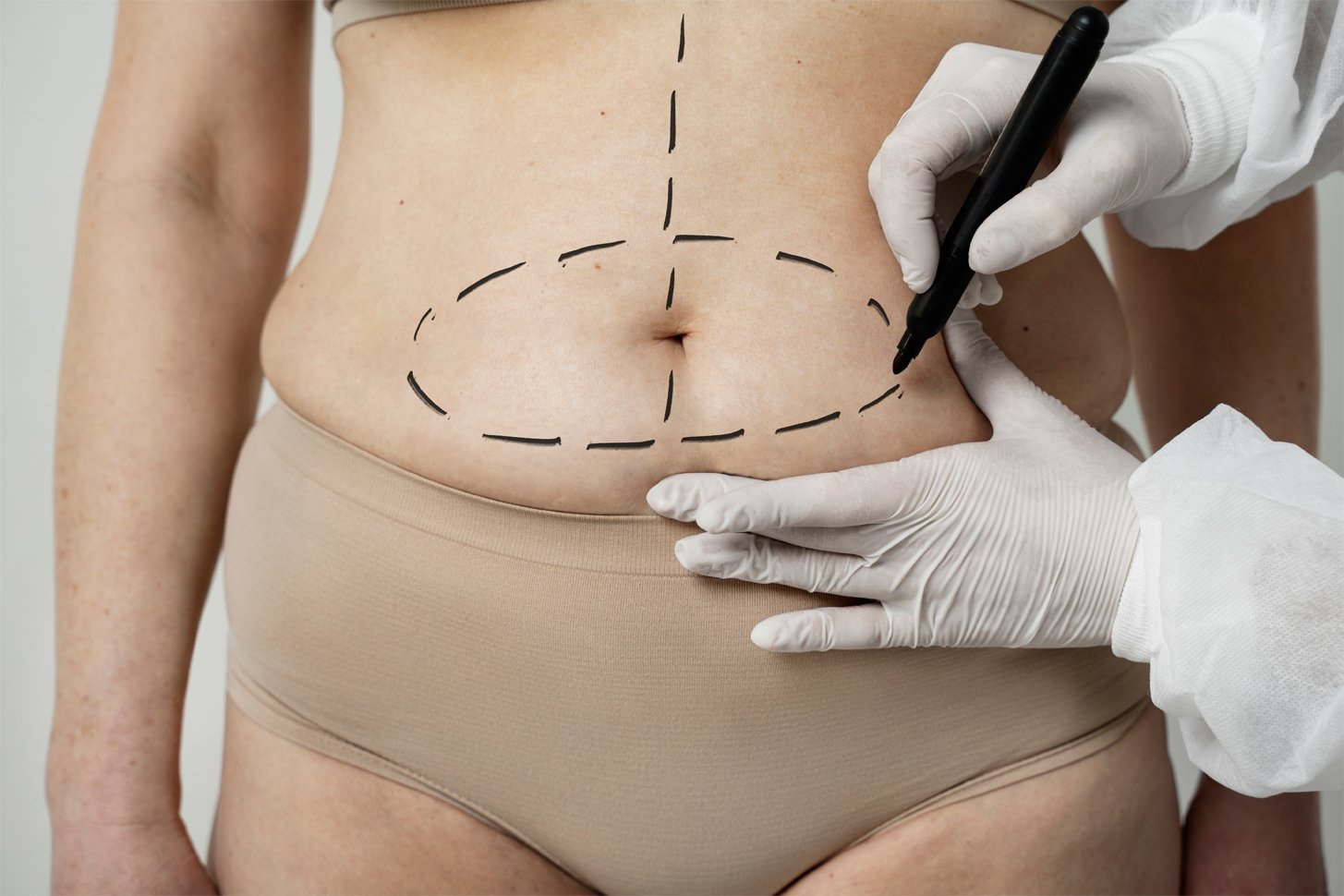
The technical success of fat transfer begins with the “atraumatic” harvesting of adipose tissue. Utilizing specialized low-pressure cannulas and tumescent local anesthesia, clinicians preserve the structural integrity of the adipocytes (fat cells). The selection of the donor site—typically the abdomen, flanks, or medial thighs—is critical, as fat from these regions often exhibits high metabolic stability. Maintaining the histological health of the cells during this phase is paramount for ensuring that the harvested material possesses the necessary rheological properties for successful transplantation.
Processing and Cellular Purification
Once harvested, the adipose tissue must undergo a meticulous purification process to separate viable fat cells from inflammatory debris, such as blood, oil, and anesthetic fluid. This is achieved through centrifugation, filtration, or decantation. This step concentrates the regenerative components, including the stromal vascular fraction (SVF), which contains the stem cells responsible for long-term tissue integration. By utilizing a closed-system processing methodology, clinicians ensure an aseptic environment that maximizes the purity and concentration of the biological graft.
Multi-Planar Micro-Grafting and Neovascularization
The longevity of the fat transfer is predicated on the “graft take” rate, which depends on the rapid development of a new blood supply, a process known as neovascularization. Utilizing a “micro-droplet” injection technique, surgeons place small volumes of fat into multiple anatomical planes—ranging from the supraperiosteal to the subdermal layers. This systematic “layering” increases the surface-area-to-volume ratio of the graft, ensuring that each fat cell is in close proximity to a host capillary. By avoiding “bolus” injections, the risk of central necrosis or oil cyst formation is minimized, leading to a stable and predictable volumetric outcome.
Facial and Body Contouring Applications
Autologous fat transfer is a versatile tool for both facial rejuvenation and body contouring. In the face, it is utilized to address temporal hollows, periorbital deficiencies, and nasolabial folds, delivering a “bio-volumization” that synthetic fillers cannot replicate. In body contouring, it is the foundation of the Brazilian Butt Lift (BBL) and Composite Breast Augmentation, allowing for the simultaneous refinement of donor sites and the enhancement of target regions. This dual-purpose approach adheres to the principles of biological synergy, providing a bespoke solution that evolves naturally with the patient’s own tissues.
Clinical Safety and Long-Term Histological Integration
As an autologous procedure, fat transfer possesses an exemplary safety profile, inherently eliminating the risk of immunogenic reactions or prosthetic-related complications. The long-term stability of the graft is influenced by the patient’s metabolic status and the surgeon’s adherence to evidence-based protocols.
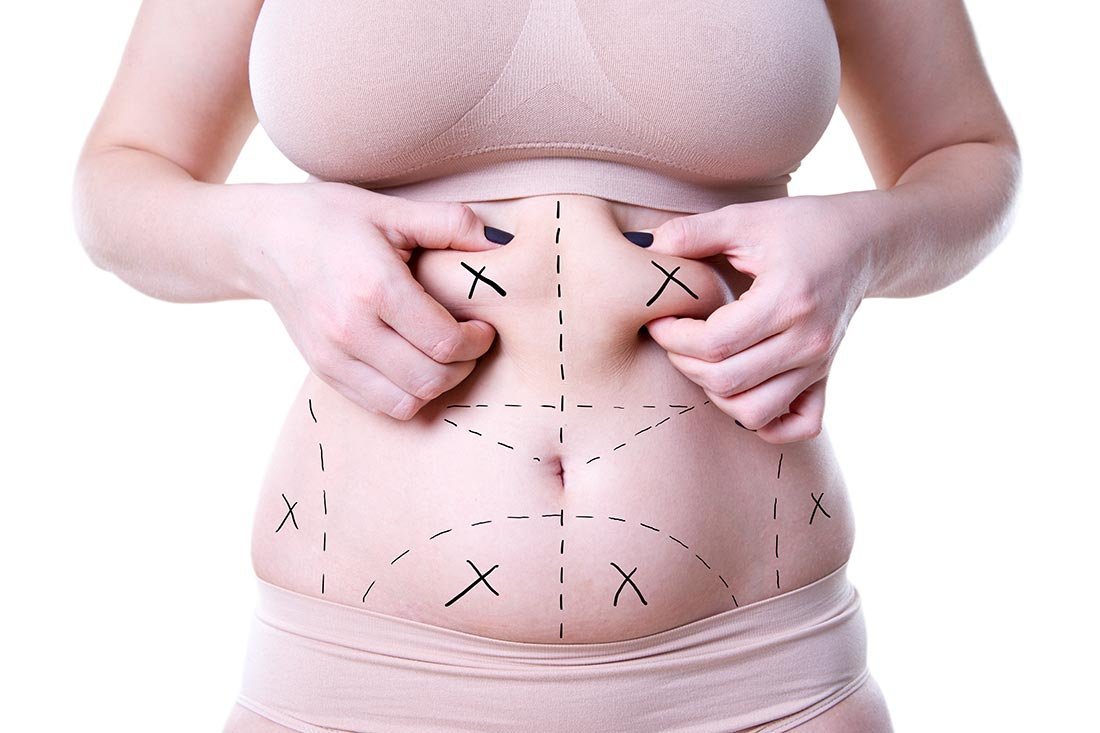
Continuous clinical monitoring during the “maturation phase” ensures that the histological remodeling of the treated areas results in a refined and enduring clinical appearance. This commitment to regenerative excellence ensures that autologous fat transfer remains a premier choice for permanent structural and aesthetic restoration.