
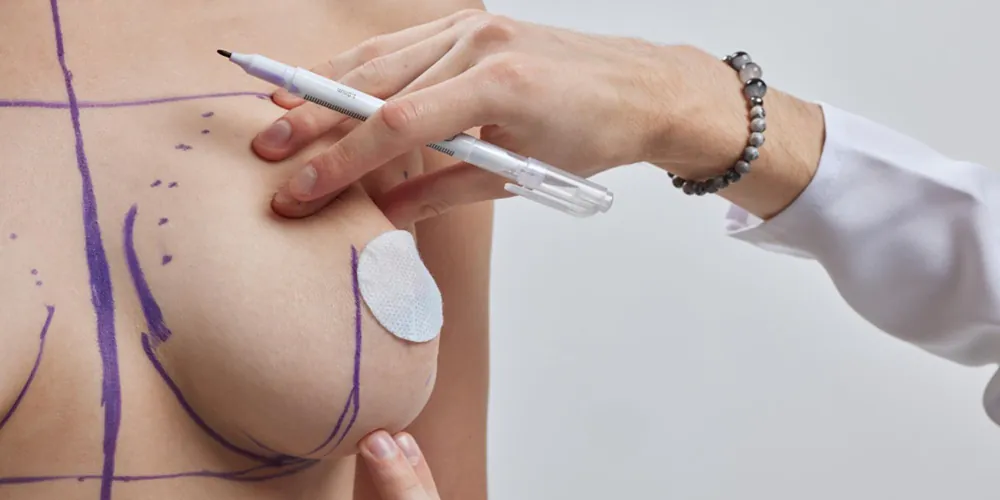
Strategic implant-based breast enhancement planned around thoracic proportions, soft-tissue coverage and long-term pocket stability.
The surgical enhancement of the mammary profile, clinically identified as Augmentation Mammoplasty, involves the strategic implementation of biocompatible prosthetics to address micromastia, involutional volume loss, or developmental asymmetry. This procedure is indicated for patients seeking to optimize thoracic projection and improve the structural proportions of the torso. The primary objective is the precise creation of a surgical pocket—strategically selected from the subpectoral, subglandular, or subfascial planes—to house high-cohesive silicone or saline implants. By meticulously managing the relationship between the prosthetic volume and the overlying parenchymal tissue, surgeons can achieve a significant increase in projection while maintaining a natural transition across the mammary poles.
Augmentation Mammoplasty procedures integrate advanced prosthetic technology with a sophisticated understanding of thoracic symmetry and soft tissue dynamics. By strategically placing anatomical or round implants and optimizing the sub-muscular or sub-glandular pocket, these interventions restore volumetric harmony and refine the mammary profile. Each clinical strategy is meticulously tailored to ensure histological compatibility while achieving a natural, resilient, and anatomically balanced aesthetic transformation
Biometric Planning and Prosthetic Rheology
The technical success of Augmentation Mammoplasty is predicated on a thorough preoperative biometric analysis. This includes precise measurements of the base diameter, parenchymal thickness, and tissue elasticity (the “pinch test”). The selection of the implant’s rheology—its viscosity and cohesive properties—is critical for ensuring long-term structural permanence. Modern high-cohesive “Gummy Bear” gels are designed to maintain their form under mechanical stress, preventing the risk of gel migration and providing a stable foundation for the overlying soft tissue.
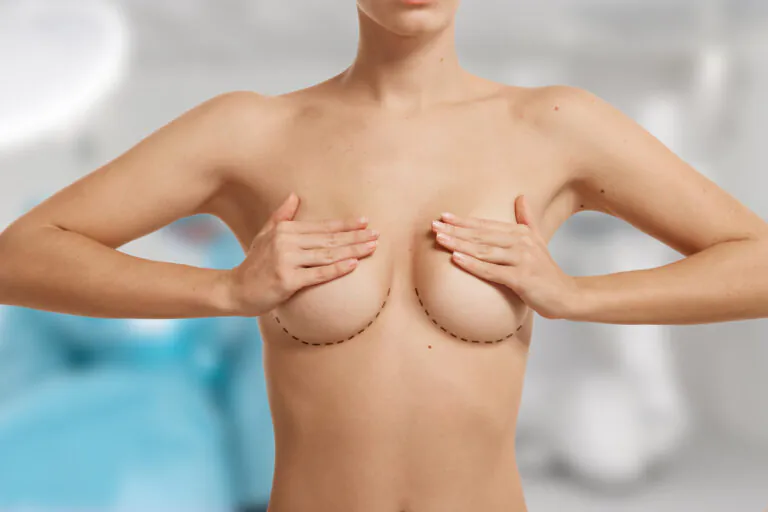
The Dual-Plane Technique and Musculo-Fascial Dynamics
Contemporary augmentation emphasizes the Dual-Plane approach, a hybrid methodology that involves placing the superior portion of the implant under the pectoralis major muscle while the inferior portion remains under the glandular tissue. This method optimizes the soft tissue coverage of the implant’s upper pole—mitigating the risk of visible “rippling” or “stepping”—while allowing the inferior pole to expand naturally. This strategic release of the muscle’s lower attachments ensures that the prosthetic settles into the inframammary fold correctly, mimicking the natural mobility and tactile sensation of authentic mammary tissue.
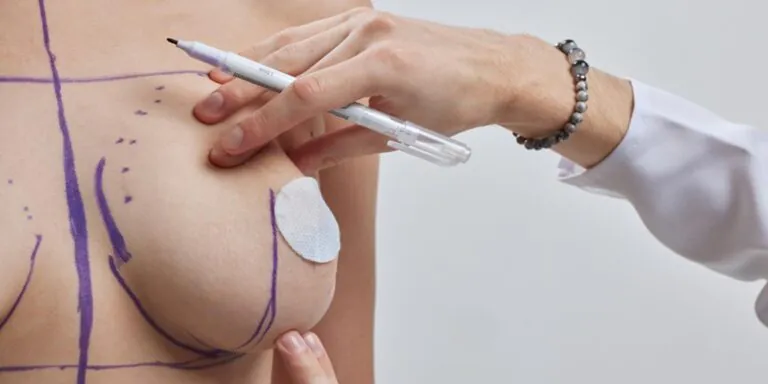
Bio-Interface Interaction and Capsular Management
The interaction between the prosthetic surface and the host tissue is a cornerstone of surgical safety. Whether utilizing smooth or micro-textured shells, the objective is to foster a stable bio-interface that minimizes the long-term foreign body reaction. Advanced pocket-irrigation protocols (using triple-antibiotic solutions) and “no-touch” delivery systems have significantly refined the ability to minimize biofilm formation, thereby reducing the incidence of capsular contracture. This meticulous approach to hemostasis and sterile technique ensures a stable environment for the implant, preserving the histological health of the surrounding parenchyma.
Incisional Strategies and Neurovascular Preservation
Surgical access points—including inframammary, periareolar, and transaxillary—are selected based on the patient’s anatomical requirements and the desire to minimize visible cicatrization. Each approach is executed with the aim of preserving the neurovascular integrity of the nipple-areolar complex (NAC), specifically protecting the fourth intercostal nerve branch. By utilizing precise dissection within natural anatomical planes, clinicians can achieve significant volumetric enhancement while maintaining the physiological sensitivity and vascularity of the breast.
Composite Augmentation: The Synthesis of Prosthetics and Fat Grafting
A modern advancement in the field is Composite Breast Augmentation, which synthesizes prosthetic implementation with autologous fat grafting. This hybrid strategy allows for the further refinement of the cleavage and lateral borders, providing a more fluid transition in patients with minimal soft tissue coverage. By recycling harvested adipose tissue, surgeons can “camouflage” the edges of the implant, addressing minor contour irregularities and achieving a bespoke result that adheres to the principles of biological synergy and anatomical permanence.
Postoperative Stabilization and Long-Term Integrity
Following the placement of the prosthetic, the stabilization of the new thoracic profile is managed through specialized medical-grade compression garments. The recovery phase is guided by progressive tension management to ensure the implant maintains its designated anatomical position while the internal scars undergo maturation. Long-term monitoring focuses on the maintenance of the inframammary fold’s structural integrity and the assessment of the overlying dermal envelope’s resilience. The primary goal remains the achievement of results that are both histologically sound and visually refined, ensuring the patient’s well-being throughout the entire clinical journey.